
research use only
Phytol PPAR activator
Cat.No.S5121
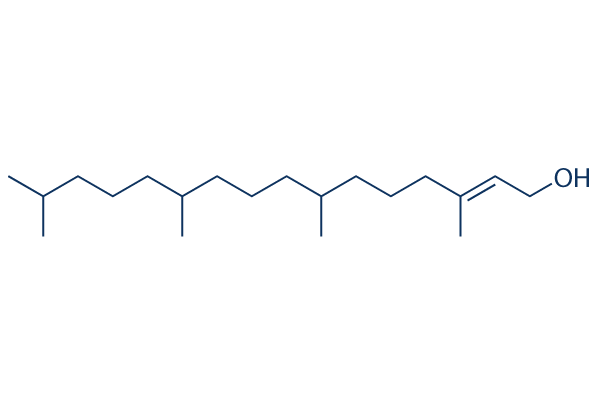
Chemical Structure
Molecular Weight: 296.53
Quality Control
| Related Targets | Dehydrogenase HSP Transferase P450 (e.g. CYP17) PDE phosphatase Vitamin Carbohydrate Metabolism Mitochondrial Metabolism Drug Metabolite |
|---|---|
| Other PPAR Inhibitors | T0070907 GW9662 GW6471 WY-14643 (Pirinixic Acid) GSK3787 GW0742 AZ6102 Harmine Astaxanthin Eupatilin |
Chemical Information, Storage & Stability
| Molecular Weight | 296.53 | Formula | C20H40O |
Storage (From the date of receipt) | 2 years -20°C liquid |
|---|---|---|---|---|---|
| CAS No. | 150-86-7 | -- | Storage of Stock Solutions |
|
|
Solubility
|
In vitro |
|
Molarity Calculator
|
In vivo |
|||||
In vivo Formulation Calculator (Clear solution)
Step 1: Enter information below (Recommended: An additional animal making an allowance for loss during the experiment)
Step 2: Enter the in vivo formulation (This is only the calculator, not formulation. Please contact us first if there is no in vivo formulation at the solubility Section.)
Calculation results:
Working concentration: mg/ml;
Method for preparing DMSO master liquid: mg drug pre-dissolved in μL DMSO ( Master liquid concentration mg/mL, Please contact us first if the concentration exceeds the DMSO solubility of the batch of drug. )
Method for preparing in vivo formulation: Take μL DMSO master liquid, next addμL PEG300, mix and clarify, next addμL Tween 80, mix and clarify, next add μL ddH2O, mix and clarify.
Method for preparing in vivo formulation: Take μL DMSO master liquid, next add μL Corn oil, mix and clarify.
Note: 1. Please make sure the liquid is clear before adding the next solvent.
2. Be sure to add the solvent(s) in order. You must ensure that the solution obtained, in the previous addition, is a clear solution before proceeding to add the next solvent. Physical methods such as vortex, ultrasound or hot water bath can be used to aid dissolving.
Mechanism of Action
| Targets/IC50/Ki |
PPARα
|
|---|---|
| In vitro |
Phytol, a branched-chain fatty alcohol, is the naturally occurring precursor of phytanic and pristanic acid, branched-chain fatty acids that are both ligands for the nuclear hormone receptor peroxisome proliferator-activated receptor α (PPARα). The addition of this compound upregulates the expression of PPARα-target genes at both mRNA and protein levels in PPARα-expressing HepG2 hepatocytes. It is a specific ligand for PPARα, although it can activate PPARγ moderately. In vitro, this chemical reduces the motor activity of worms and causes their death. Additionally, it at sublethal doses (25 µg/mL) reduces the number of Schistosoma mansoni eggs.
|
| In vivo |
In many animal studies, Phytol is used as a precursor of phytanic acid. Addition of this compound to the diet results in an increase of Phytol Metabolites in tissues and plasma. In vivo, a single dose of this chemical (40 mg/kg) administered orally to mice infected with adult S. mansoni results in total and female worm burden reductions of 51.2% and 70.3%, respectively. Moreover, it reduces the number of eggs in faeces (76.6%) and the frequency of immature eggs (oogram pattern) is significantly reduced. In medicinal fields, this compound has shown antinociceptive and antioxidant activities as well as anti-inflammatory and antiallergic effects. It is an excellent immunostimulant, superior to a number of commercial adjuvants in terms of long-term memory induction and activation of both innate and acquired immunity.
|
References |
|
Tech Support
Tel: +1-832-582-8158 Ext:3
If you have any other enquiries, please leave a message.

Products are for research use only. Not for human use. We do not sell to patients.
©Copyright 2013 Selleck Chemicals. All Rights Reserved.